
Designing for Heritage: Balancing Adaptation and Conservation
Updated: Jan 30
Designing within historic, heritage-listed or culturally significant contexts requires a careful balance between conservation and contemporary use. Successful heritage design respects the cultural significance of a place while allowing it to adapt to modern needs and functions.
Sympathetic design starts with a clear understanding of heritage values—what is significant, why it matters, and how it contributes to the character of a place. From there, thoughtful design responses can ensure new interventions are legible, reversible where possible, and complementary rather than imitative.
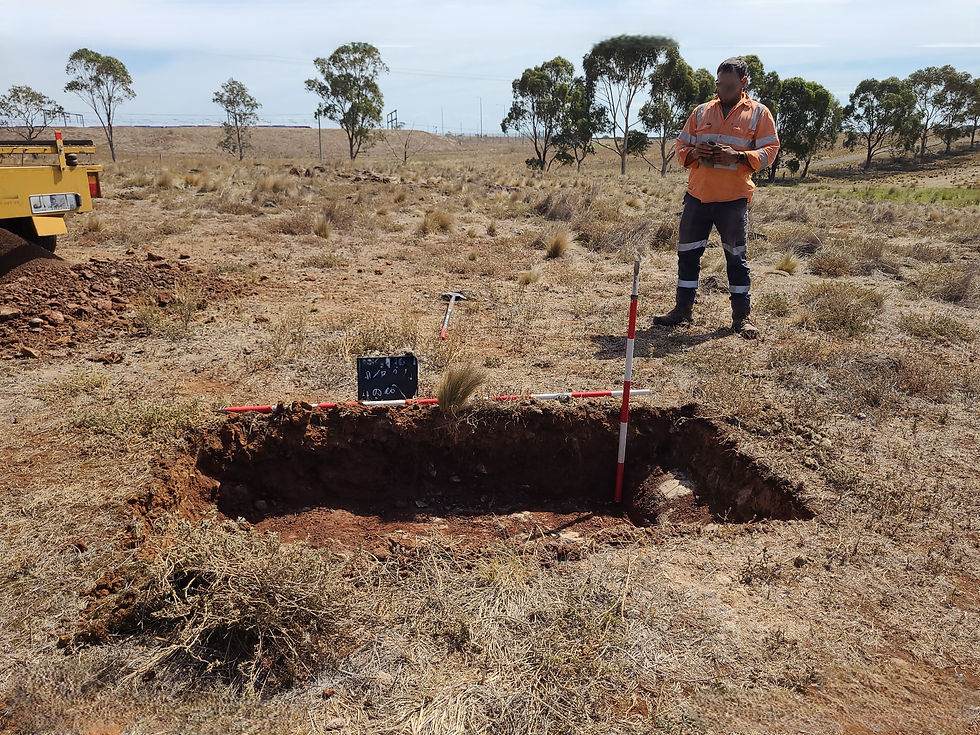
In many cases, a PAHT can reduce uncertainty and streamline project planning, particularly for projects in areas with known or potential Aboriginal cultural heritage. When used strategically, it becomes a proactive step toward responsible development rather than a reactive compliance measure.
When heritage considerations are integrated early into the design process, outcomes are stronger for all stakeholders. Good heritage design does not freeze places in time; instead, it enables them to remain relevant, functional, and meaningful for future generations.


Comments